Licensed waste carriers: what house clearances must follow
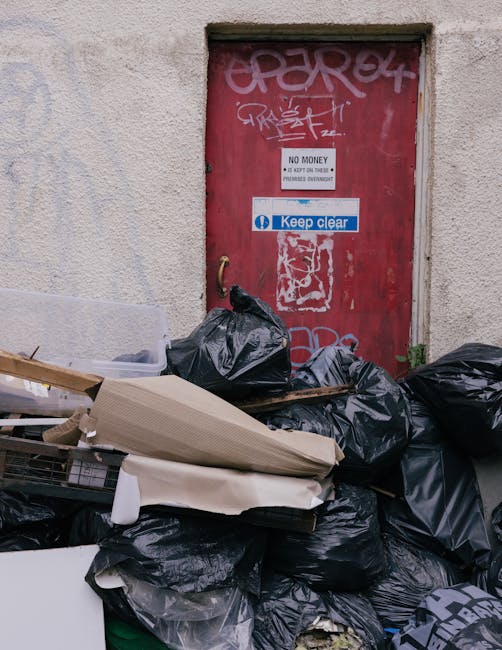
If you are clearing a property, the tidy pile at the curb is only the visible part. The real question is what happens next. Licensed waste carriers: what house clearances must follow is about more than removing old furniture and bags of unwanted items; it is about making sure the waste is collected, handled, transported, and recorded properly. Get that wrong, and a simple house clearance can turn into a messy problem very quickly.
Whether you are dealing with a probate property, a downsizing move, a landlord clearance, or a long-overdue loft clear-out, the same principle applies: the waste should go with a carrier who is legally able to take it. That sounds obvious, but in real life people are often rushed, stressed, or just relieved to have someone turn up on time. To be fair, that is when mistakes happen.
This guide breaks down what house clearances must follow when using a licensed waste carrier, why it matters, how the process works, and what to check before anything leaves the property. It also covers common mistakes, practical best practice, and the little details that help you stay on the right side of compliance without overcomplicating it.
Why Licensed waste carriers: what house clearances must follow Matters
House clearance waste is not just "stuff to get rid of". It can include furniture, electrical items, textiles, broken ornaments, mattresses, paint tins, garden waste, and sometimes items that need special handling. The moment those materials leave the property, someone has taken responsibility for them. That responsibility does not disappear because a van turns up and loads everything in a hurry.
Using a licensed waste carrier matters because it helps ensure waste is collected by a business that is authorised to transport it. In practical terms, that means less risk of fly-tipping, less risk of handing your waste to an operator who cuts corners, and more confidence that the clearance has been handled properly. It also helps protect you, because in the UK the person who produces the waste can still be questioned if it ends up dumped illegally.
Let's face it: nobody wants their old sofa showing up in a layby two weeks later. Yet that is exactly the kind of nightmare scenario people worry about after a cheap clearance. The better the paperwork, the better the carrier, and the clearer the disposal route, the safer your position.
Expert summary: A proper house clearance is not just about removal speed. It is about lawful transport, careful sorting, safe handling, and a clear record of where the waste goes.
There is also a reputation angle. If you are a landlord, estate agent, solicitor, property manager, or executor, the quality of the clearance reflects on you. A rushed, poorly documented job can create awkward follow-up questions. A well-run one feels calm, orderly, and final, which is exactly what most people need during a move or property transition.
How Licensed waste carriers: what house clearances must follow Works
At a high level, a compliant house clearance follows a simple chain: assess, sort, load, transport, and dispose or recycle. The important part is that each stage should be handled with care, not treated as a throwaway step. In our experience, the problems usually start when someone assumes "it's only a few items" and skips the basics.
1) The property is assessed before clearance
A proper clearance starts with understanding what is actually on site. That can be a full house, a garage, a loft, a shed, or just a few bulky items. Some items are straightforward. Others need separate handling. For example, fridges, paint, batteries, and electricals may need to be kept apart from general waste. If the property contains sentimental items, valuables, or paperwork, those should be identified before anything is removed. It sounds simple. It often isn't.
2) Waste is separated into sensible categories
Sorting is not just a neat-freak habit; it is a practical compliance step. Reusable items, recyclable materials, general household waste, and items that require special care should be separated where possible. A good carrier will usually know how to manage this efficiently. The aim is not perfection. The aim is sensible handling and lower risk.
3) The carrier takes physical possession of the waste
Once collected, the items are no longer sitting in the property. They are in transit under the carrier's responsibility. This is where licensing becomes important. A licensed waste carrier should be able to remove waste lawfully and give you the right documentation if needed. If a provider cannot explain this clearly, that is a warning sign. You do not want vague answers here.
4) The waste is taken to an appropriate facility
Depending on the material, waste may go to a transfer station, recycling facility, reuse route, or disposal site. The exact path will vary. What matters is that the operator knows where it is going and why. If the clearance is genuinely trying to reduce landfill use, that can also support a more sustainable outcome. A good provider should be comfortable talking about recycling and sorting without making grand claims they cannot back up.
5) Records are kept where required
For many house clearances, the paper trail is the quiet hero. You may receive a receipt, a waste transfer note, or another record showing the waste was collected and handled by a licensed carrier. Keep it. If questions arise later, that record can be very useful. It is one of those bits of admin nobody enjoys, but everyone appreciates when things get complicated.
Key Benefits and Practical Advantages
People often focus on the legal side, which is fair enough, but there are practical benefits too. A properly managed clearance can save time, reduce stress, and make the whole property turnover feel smoother. That matters whether you are preparing a home for sale, emptying a relative's property, or getting a rental ready for the next tenant.
- Lower risk of illegal dumping: A licensed carrier is part of a lawful disposal chain, which is exactly what you want.
- Less stress for you: You do not have to guess where the waste will end up or whether it will be handled properly.
- Better sorting and recycling: Reusable or recyclable items are more likely to be separated sensibly.
- Cleaner handover: Properties can be returned to landlords, agents, family members, or buyers in better shape.
- Clear accountability: If something needs tracing later, there is a record of who collected it.
There is another benefit that gets overlooked: momentum. Once a clearance is running properly, everything else tends to move faster. Rooms become visible again. Decisions get easier. You stop second-guessing every bag and box. That may sound minor, but when you are standing in a cluttered front room with rain tapping at the window and a removal van waiting outside, it is a relief.
For people comparing services, it can also help to think beyond the clearance itself. Many customers combine waste removal with moving support, especially if they are downsizing or dealing with bulky furniture. If that is part of your plan, a broader service such as man and van support or a more structured move like home moves may fit alongside the clearance stage rather than replacing it.
Who This Is For and When It Makes Sense
Licensed waste carrier requirements matter to anyone arranging the removal of household items, but some situations make them especially important. If the clearance is being done quickly, emotionally, or across multiple rooms, the chance of overlooking the details goes up. That is just human nature.
Homeowners clearing out a property
If you are decluttering before a sale or after a move, you may have a mix of general waste, items for donation, furniture for collection, and things that need disposal. A licensed carrier helps keep that process orderly. It is particularly useful when the house has been lived in for years and the "little pile of stuff" turns out to be half a garage.
Executors and families handling probate
Probate clearances can be sensitive. Families often want belongings treated respectfully, and they need confidence that the property is being cleared properly. A careful waste carrier should work methodically, flag anything uncertain, and avoid a rushed "empty the lot" approach unless that is clearly what has been agreed.
Landlords, agents, and property managers
If a tenant has left behind bulky items or a mixed mess of waste, the clearance needs to be documented and efficient. You may also need the property ready for cleaning, inspection, or re-letting. In those situations, speed matters, but so does process. A site that looks tidy on the day but lacks proper records can create headaches later.
Older properties, lofts, garages, and gardens
Some clearances are deceptively messy. A loft can hold decades of paper, packaging, broken chairs, and forgotten boxes. A garden shed may contain sharp tools, rotting wood, and damp waste that smells a bit earthier than you expected. A licensed carrier should know how to deal with these mixed loads safely.
When it makes sense to pause and plan
If the property contains hazardous items, large volumes of electricals, or anything you suspect may need special handling, pause before booking. A short conversation now can save a very messy afternoon later. Truth be told, a five-minute check can prevent a five-hour problem.
Step-by-Step Guidance
If you want the simplest route to a compliant house clearance, follow this sequence. It is not glamorous, but it works.
- Walk the property first. Make a rough list of what is staying, what is going, and what may need special handling.
- Separate valuables and paperwork. Check drawers, cupboards, wardrobes, and loft boxes before anything is moved. People find passports, certificates, keys, and old cash in the oddest places.
- Identify bulky or awkward items. Mattresses, wardrobes, appliances, and heavy furniture may affect the size of team or vehicle needed.
- Ask how waste will be handled. A licensed carrier should be able to explain their process in plain English. If they dodge the question, that is not great.
- Request the right paperwork. Make sure there is some form of receipt or waste transfer record where applicable.
- Confirm what is excluded. Some items may need separate treatment, especially if they are hazardous or specialist.
- Check the property after clearance. Do a quick walk-through room by room. Open cupboards. Look behind doors. Check sheds and loft access if included.
- Keep your records. Store invoices, receipts, and any notes relating to the clearance.
It helps to think of this as a chain. If one link is weak, the whole job feels less secure. Not dramatic, just true.
If you are also planning to move furniture out of the property, it can be useful to read about the practical side of handling heavy items safely in our guide on lifting big and bulky items solo made simple. It is the sort of advice that saves a back and a bit of time.
Expert Tips for Better Results
Here are the details that make a real difference in day-to-day clearances. These are the kinds of things people only learn after doing a few jobs, or after a regrettable one. Usually the second.
Be clear about what is included
"House clearance" can mean different things to different people. For one customer, it means the entire property emptied from loft to shed. For another, it means removing furniture only. Spell it out early. A good brief makes the job smoother, quicker, and less likely to produce awkward assumptions on the day.
Separate sentimental items before the crew arrives
If there is any doubt about an item's value or significance, move it to a safe room or mark it clearly. Family photographs, documents, jewellery, and keepsakes are easy to overlook when a room looks full and busy. This sounds obvious, and yet it is one of the most common issues people mention afterwards.
Ask about recycling, but keep expectations realistic
Recycling is excellent when it is possible, but not everything can be reused or broken down neatly. A reputable carrier should explain what can be diverted from disposal without overpromising. I always prefer that kind of honesty over a shiny sales line that sounds a bit too perfect.
Take photos before and after if the property matters legally or financially
This is especially useful for probate, deposits, landlord handovers, and estate management. A simple set of phone photos can settle a question quickly if anyone later asks what condition the space was in before or after the clearance.
Plan access properly
Stair width, parking, lift access, and loading distance all affect the job. If a van cannot park close enough, the clearance takes longer and may cost more. That is not a hidden trick; it is just logistics. Still, people forget it all the time.
Build in a little buffer time
If you need the property cleared by a specific time, do not leave the job to the last possible hour. Doors stick. Boxes are heavier than they look. Someone finds an attic full of surprise items. Life happens. A little buffer makes the day much less tense.
Common Mistakes to Avoid
The biggest mistakes are rarely complicated. They are usually rushed decisions, vague instructions, or failing to ask one boring but important question. Boring questions save money. That is the truth of it.
- Choosing the cheapest quote without checking the licence: Cheap can be fine, but only if the basics are covered. A bargain is not a bargain if the waste is dumped illegally.
- Assuming all clearance services are the same: They are not. Sorting, documentation, handling, and disposal standards can vary a lot.
- Leaving valuables in obvious places: Drawers, wardrobes, and old bags are common hiding places for important things.
- Not clarifying hazardous or specialist waste: This can create delays or extra charges if discovered late.
- Skipping the paperwork: A simple receipt or record may not feel important at the time, but it is worth having.
- Forgetting access issues: If the crew has to drag items across a long distance, the job can become slower and more expensive.
- Not checking the property after the clearance: Tiny overlooked items have a habit of becoming the most annoying ones.
One small but real-world mistake: people often focus on the front rooms and forget the loft hatch, under-stairs cupboard, or back garden. Then, after the van leaves, there is still a chair, a pile of paint tins, or a box of paperwork sitting there looking smug. Not ideal.
Tools, Resources and Recommendations
You do not need a toolkit the size of a warehouse, but a few simple things can make the clearance process much easier.
- Labels or marker pens: Handy for marking items to keep, donate, recycle, or remove.
- Strong bags and boxes: Useful for separating small waste and keeping paperwork together.
- A phone camera: Good for photos before, during, and after the job.
- Gloves and basic protective gear: Especially useful for lofts, sheds, and dusty spaces.
- Access notes: Parking instructions, gate codes, floor numbers, and room-by-room instructions help avoid confusion.
- Trusted service pages and policy information: If you want to understand how a provider approaches sustainability, see their recycling and sustainability information, plus practical service details on pricing and quotes and insurance and safety.
If your clearance is part of a larger move, you may also find related planning resources helpful. For example, a sensible packing process often reduces the amount of waste created in the first place. That is especially true for fragile or awkward possessions, where poor packing can turn a move into a breakage story nobody wants.
Law, Compliance, Standards, or Best Practice
House clearance and waste transport in the UK sit within a regulated space, so caution matters. The exact obligations can vary depending on the type of waste, who collected it, and how it was handled. In plain English, you should never assume that "someone came and took it away" is enough on its own.
At a practical level, good compliance means the carrier is authorised to transport waste, the waste is described accurately, and records are kept where appropriate. It also means dangerous or specialist items are not casually mixed into general rubbish. That is where best practice starts to matter as much as formal rules.
A trustworthy clearance provider should be able to explain:
- what type of waste they can collect
- how mixed loads are sorted
- what paperwork you may receive
- how they handle recyclable or reusable items
- what happens if they find hazardous or restricted materials
Be careful with vague language like "we take everything". Sometimes that is harmless shorthand. Sometimes it is not. Ask what "everything" actually means. The answer tells you a lot.
Best practice also includes care for the property itself. A clearance should ideally protect walls, banisters, floors, and doors during removal. If a team is moving heavy furniture through narrow hallways, that needs thought. Good operators use sensible lifting methods, suitable vehicles, and enough people for the load. If you are curious about that side of things, our article on specialist lifting gear for awkward items explains why the right kit can change the whole feel of a job.
Finally, remember that compliance is not just about avoiding trouble. It is also about confidence. When the process is handled properly, everyone can breathe a little easier.
Options, Methods, or Comparison Table
Not every clearance needs the same approach. Some are best handled as a full service, while others are more suitable for a lighter collection or a staged removal. Here is a simple comparison to help you think it through.
| Approach | Best for | Pros | Watch-outs |
|---|---|---|---|
| Full house clearance | Whole properties, probate, end-of-tenancy, major downsizing | Fast, thorough, less back-and-forth | Needs clear instructions and good access planning |
| Partial clearance | Single rooms, lofts, garages, sheds | More targeted, often simpler to organise | Items can be overlooked if the boundaries are unclear |
| Bespoke bulky-item removal | Sofas, wardrobes, appliances, isolated items | Efficient for a small number of large objects | May not suit mixed waste or complex properties |
| Clearance plus moving support | Downsizers, families relocating, landlords resetting a property | Convenient, coordinated, fewer separate bookings | Needs careful planning so the two tasks do not clash |
If you are trying to decide, ask yourself one simple question: do I need the property emptied, or just a set of items removed? The answer usually points you toward the right option. Sometimes it is a mix, and that is perfectly normal.
Case Study or Real-World Example
Picture a two-bedroom terrace in a typical British street, nothing dramatic, just a lived-in home with a loft, a back bedroom full of boxes, and a garage that had slowly become a holding bay for "things we might need one day". The family was dealing with a relative's move into care and needed the property cleared for sale.
At first glance it looked like a simple job. Then they opened the loft hatch and found old suitcases, broken lamps, Christmas decorations, paperwork, and a chair that had somehow become one with the dust. Not unusual. Just a bit more than expected.
The clearance went smoothly because the important details were handled early. The family removed documents and sentimental items first. They separated a few electricals and items they wanted to donate. The carrier explained what could be taken, how mixed waste would be handled, and what would happen at the end of the job. The garage was cleared last, which made sense because it held the messiest load.
What made the difference was not speed alone. It was structure. Everyone knew what was being removed, what was staying, and what needed special care. There was a proper record at the end, the property was left ready for the next stage, and there was no lingering worry about where the waste had gone. That kind of calm is underrated, honestly.
If you are dealing with a similar situation, the same principle applies: keep the important items aside, ask direct questions, and use a carrier that understands the job is about more than loading a van.
Practical Checklist
Use this checklist before, during, and after the clearance. It is simple, but it catches the things people often miss.
- Confirm what rooms and items are included.
- Remove valuables, documents, and sentimental items first.
- Identify any hazardous, electrical, or specialist waste.
- Check access, parking, and loading space.
- Ask whether the carrier is licensed to transport waste.
- Request the relevant paperwork or receipt.
- Make sure recyclable or reusable items are discussed in advance.
- Inspect the property after the clearance.
- Keep copies of receipts, notes, and photos.
- Raise any issues promptly while everyone is still on site.
One more thing: if you are coordinating a move alongside the clearance, do not underestimate the value of a clear room-by-room plan. A bit of planning now saves an evening of muttering later. We have all been there.
Conclusion
Licensed waste carriers: what house clearances must follow comes down to a simple idea: waste should be removed lawfully, safely, and with enough care to protect both you and the property. A good clearance is not just a van and a few hands. It is a process with responsibility at every stage.
When you understand how the clearance should work, the whole job becomes less stressful. You know what to ask, what to keep back, what paperwork matters, and which warning signs to avoid. That clarity is worth a lot, especially when you are already juggling moving dates, family decisions, or property deadlines.
Get a free quote today and see how much you can save.
And if you take only one thing away from this guide, let it be this: a careful house clearance is never just about clearing space. It is about closing a chapter properly, with no loose ends left behind.
Frequently Asked Questions
What is a licensed waste carrier in a house clearance?
A licensed waste carrier is a person or business authorised to transport waste. In a house clearance, this means they can legally collect items from the property and move them through the proper disposal or recycling route.
Do I need a licensed waste carrier for a small house clearance?
Yes, if the items are being taken away as waste. Even a small load of unwanted furniture or bags of rubbish should be handled by someone who is properly authorised to carry waste.
How do I know if a carrier is licensed?
You should ask directly and expect a clear answer. A reputable provider should be able to explain their waste carrier status and how they handle disposal. If the response is vague or defensive, that is usually a bad sign.
What paperwork should I get after a house clearance?
That depends on the job, but you should usually expect some form of receipt or record showing the waste was collected. Keeping paperwork is a sensible habit, especially for probate, landlords, and property managers.
Can a house clearance company take everything away?
Not always. Some materials need separate handling, and certain items may be restricted or require specialist treatment. A good company should explain any exclusions before the job starts.
Who is responsible if waste is dumped illegally?
Responsibility can be complicated, which is why using a licensed carrier matters so much. The person who produced the waste may still need to show they took reasonable care and used an authorised carrier.
What happens to furniture after a house clearance?
Furniture may be reused, recycled, broken down for parts, or disposed of depending on its condition and the provider's process. The best route is usually the one that keeps as much as possible out of general disposal.
Are electrical items treated differently in house clearances?
Often, yes. Electrical items can require separate sorting and handling. It is wise to point them out in advance so they are not accidentally mixed with general waste.
Is a full house clearance better than a partial clearance?
It depends on your situation. A full clearance is better for emptying an entire property, while a partial clearance is more suitable if you only need certain rooms or items removed.
How far in advance should I book a house clearance?
As soon as you know the date you need. If the property is tied to a sale, tenancy, probate schedule, or move, booking early gives you more room to handle surprises and access issues.
What should I do with valuables before the clearance?
Remove them before the team arrives and keep them somewhere secure. That includes jewellery, cash, documents, keys, and sentimental items that could be overlooked in a busy room.
Can a house clearance help with recycling and sustainability?
Yes, if the provider sorts materials responsibly and works with recycling routes where appropriate. A good clearance can reduce waste, but it should be described honestly rather than exaggerated.