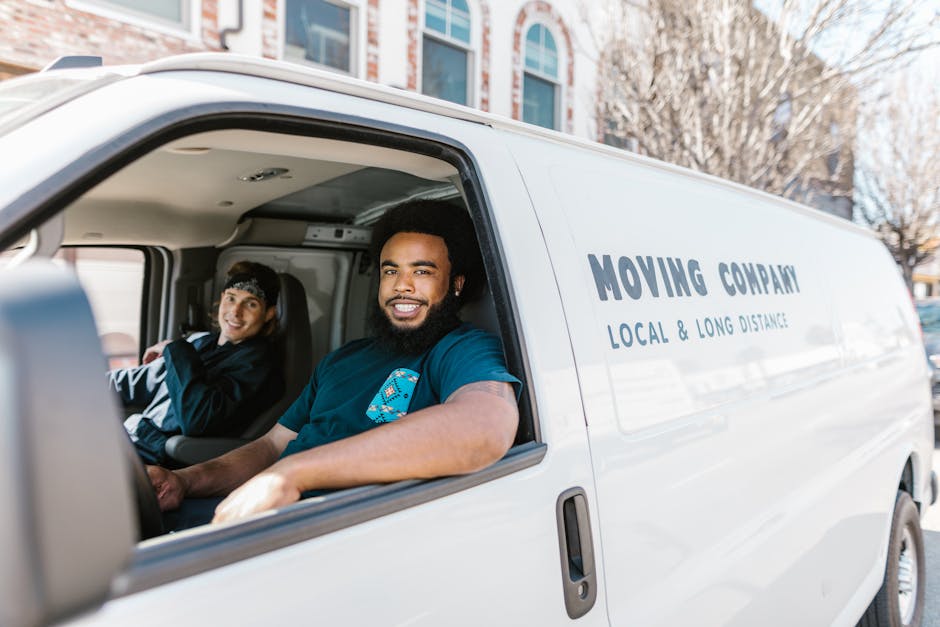
Eco-friendly van loading and packing that protects fragile items
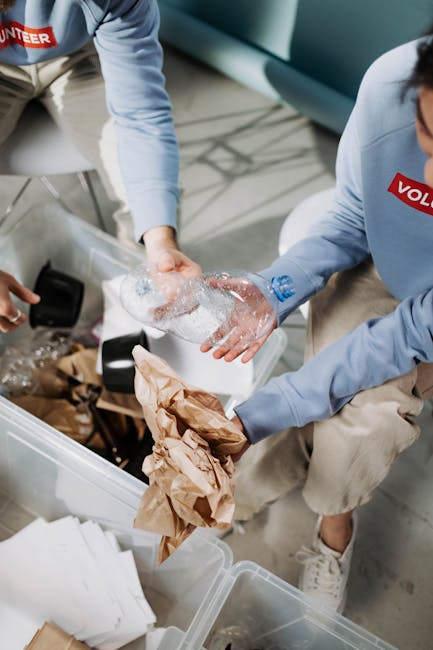
Moving fragile belongings is stressful enough without wondering whether the packing will hold, the van space will be wasted, or a pile of single-use materials will end up in the bin afterwards. The good news is that eco-friendly van loading and packing that protects fragile items can do both jobs at once: keep glassware, ceramics, mirrors, lamps, and other delicate pieces safe, while cutting down on unnecessary waste.
In practice, this is less about being perfect and more about being thoughtful. A few smart choices before load-up day can reduce damage, lower the number of packing materials you need, and make the move feel calmer. If you have ever opened a box and found one mug wrapped in three layers of plastic, you will know what I mean. There is a better way, honestly.
This guide walks through the methods that matter most: sustainable packing materials, sensible van loading, cushioning fragile items without overpacking them, and the small decisions that make a surprisingly big difference. It also explains when professional help makes sense, especially for homes and businesses needing careful handling through services such as packing and unpacking support or a flexible man with van service.
Short version? Protect the item first, the van second, and the planet all the way through.
Why eco-friendly van loading and packing that protects fragile items matters
Fragile items fail for predictable reasons: pressure, movement, vibration, poor box choice, and rushed stacking. Eco-friendly packing addresses those risks without leaning on wasteful habits. Instead of overusing plastic wrap, oversized boxes, or disposable filler, you plan each item's protection around shape, weight, and movement. That usually means better packing and less rubbish.
It matters for a few reasons. First, breakages cost money, time, and patience. Second, wasteful packing materials are annoying to deal with after the move. Third, bad loading can turn a perfectly safe-looking box into a crushed corner by the time the van reaches the new address. Let's face it, a move day is busy enough without adding preventable damage into the mix.
There is also a broader sustainability angle. Households and businesses are increasingly trying to reduce unnecessary packaging, re-use materials where practical, and avoid sending bulky waste straight to landfill. If you are also arranging a broader move, you may want to look at options like recycling and sustainability practices alongside the move itself. That keeps the whole process more joined-up, not just the packing stage.
Expert summary: The most eco-friendly method is rarely the most minimal method. It is the method that uses just enough protection, the right container, and a loading plan that stops movement before it starts.
How eco-friendly van loading and packing that protects fragile items works
The approach works by combining three things: smart material choice, careful box preparation, and stable van loading. If one part is weak, the whole system weakens. For example, a brilliant recycled box is still a poor choice if it is too large and leaves the item wobbling around inside.
1. Start with the item, not the packing supply
Fragile items need different treatment depending on what they are made of. Glass needs surface protection and separation. Ceramics need cushioning plus structural support. Electronics need anti-static care and dry storage. Mirrors and framed art need edge protection and a rigid outer layer. One size does not fit all, even if the packing aisle tries to convince you otherwise.
2. Use reusable or low-waste materials where sensible
Good eco-friendly packing often includes strong second-use boxes, paper-based void fill, blankets, towels, linens, and reusable wraps. You do not have to ban plastic completely to be environmentally sensible. Sometimes a small amount of stretch wrap is practical for securing furniture or preventing moisture ingress. The trick is using it sparingly and only where it genuinely helps.
3. Build protection from the inside out
Internal cushioning stops the item from shifting inside the box. External structure protects the box from pressure. That means wrapping delicate surfaces, filling empty spaces, sealing boxes properly, and keeping weight under control. If a box feels like a brick, it is probably too heavy for fragile contents. Weirdly, people still do this every moving season.
4. Load the van like a puzzle with gravity in mind
Loading is not just a matter of "getting it all in". Fragile boxes need a stable base, solid support, and minimal compression. Heavier items should sit low and toward the front or walls, while fragile cartons should be kept upright and blocked from sliding. Blankets, straps, and soft items can help create separation without extra waste.
In real moves, the van can rattle, brake sharply, or take turns more abruptly than you expected. Even a short trip across town can upset a badly packed load. That is why careful stacking matters so much.
Key benefits and practical advantages
Done properly, this approach gives you a few wins at the same time. Not dramatic, not flashy. Just useful.
- Lower breakage risk: fragile items are cushioned and blocked from moving around.
- Less waste: re-used boxes, paper fill, and textiles reduce single-use packaging.
- Better van space use: tidy, modular packing is easier to load securely.
- Faster unpacking: boxes packed by category and weight are easier to place in the right room.
- More control on moving day: you know what is fragile, what is heavy, and what needs to stay upright.
- Lower stress: there is a calmer feeling when the plan is clear. You notice it immediately.
There is also a subtle but important benefit: this kind of packing encourages restraint. You stop wrapping things just because you can, and start wrapping them because they actually need it. That shift saves time and materials.
Who this is for and when it makes sense
This method makes sense for almost anyone moving items that can crack, chip, dent, scratch, or deform. But it is especially helpful in a few situations.
Households with delicate possessions
If you are moving glassware, mugs, ornaments, lamps, picture frames, kitchenware, or sentimental items, eco-friendly packing can be a real relief. It lets you protect the things that matter without making every box over-engineered. Families moving through home moves often find this balance especially useful because there are usually lots of mixed items, not just one category.
Small businesses and studios
Businesses with stock, display pieces, samples, or office equipment benefit from organised loading and reusable materials. If you are relocating shelves of glass items, framed branding, or sensitive equipment, a careful plan matters. For larger workplace moves, the same principles apply in commercial moves and office relocation services.
People trying to reduce waste
Some movers simply do not want to buy a mountain of new packing material for a one-off move. Fair enough. Reusing what you already have, borrowing sturdy boxes, and choosing recyclable materials can make the process less wasteful and often cheaper too.
Anyone with limited time
If you are juggling work, children, or a very full week, the best approach is the one that is both safe and efficient. That is where a practical man and van option can help, especially for smaller loads or straightforward moves where careful loading is more important than sheer scale.
Step-by-step guidance
Here is a simple framework you can actually use. No fuss. No mystery. Just a process that tends to work.
Step 1: Sort items by fragility and shape
Group delicate items into categories: glass, ceramics, framed items, electronics, soft fragile items like lampshades, and mixed small items. That makes it easier to choose the right box size and padding. A box of mugs is not handled the same way as a mirror, and neither should it be.
Step 2: Choose the smallest practical box
Big boxes look efficient, but they often create movement inside the box and encourage overpacking. Use a box that fits the item category neatly. Smaller, stronger boxes are usually better for fragile contents because they are easier to carry and less likely to collapse under their own weight.
Step 3: Build a soft base
Line the bottom with paper, folded textiles, or another reusable cushion. Avoid creating a hard cavity at the base. The first layer matters more than people think. You will notice the difference when the box is lifted and set down a few times.
Step 4: Wrap each item individually
Use paper, cloth, or reusable wrap that matches the item. Place heavier pieces lower, lighter pieces on top, and keep surfaces from touching. For very delicate items, add separators between each one. A chipped glass is often the result of contact, not collapse.
Step 5: Fill voids without overstuffing
The goal is to stop movement, not to ram the box full. If you can shake the box gently and hear items shift, add more cushioning. If the box is bulging or difficult to close, you have gone too far. There is a sweet spot in the middle.
Step 6: Seal and label clearly
Seal the base and top securely. Label the contents and note which side should face up where necessary. If a box contains fragile items, make that obvious. It sounds basic, but during a busy move day these small labels save time and avoid guesswork.
Step 7: Prepare the van load order
Load the heaviest and most stable items first. Create a firm foundation, then place boxed fragile items where they will not be crushed. Keep these boxes away from loose objects. Use blankets, straps, and non-slip layering to stop movement. If you are using a larger vehicle such as a moving truck or arranging removal truck hire, the same loading logic still applies.
Step 8: Check the load before departure
Give the van a final visual check. Can anything slide? Is there pressure on the fragile boxes? Are mirrors and frames upright? Five minutes here can save hours later. And possibly a bit of swearing. Which, to be fair, nobody needs on moving day.
Expert tips for better results
- Use textiles cleverly: towels, sheets, duvet covers, and jumpers can replace a surprising amount of disposable filler.
- Separate by room and fragility: this keeps boxes practical to unpack and reduces the chance of stacking incompatible items together.
- Keep fragile boxes light: a well-packed light box is far safer than an overfilled heavy one.
- Protect edges first: corners, rims, and handles are usually where damage starts.
- Use rigid support for frames and mirrors: a soft wrap is not enough on its own.
- Keep liquids away from delicate items: even a small spill can undo good packing very quickly.
- Think vertically in the van: use the available height, but only when the lower layers are stable and the upper layers are secured.
A useful habit is to imagine how the load will behave if the van stops suddenly. If your setup feels questionable in that moment, it probably needs more blocking or a lighter stack. Trust that instinct. It is usually right.
Another little tip: keep a small "open first" fragile box for the items you know you will need soon. Cups, a kettle, a lamp, one plate set. It makes the first evening less chaotic, and there is something lovely about making a cup of tea without having to hunt through twelve boxes. Simple things, really.
Common mistakes to avoid
Most damage comes from a handful of avoidable errors. These are the big ones.
Using too much empty space
Loose space in a box is movement space. Movement space becomes impact. Fill the gap properly or use a smaller box.
Mixing too many item types together
A soft item can cushion a hard item, but only up to a point. Mixing glass, metal, loose cables, and ornaments in one container tends to create awkward pressure points.
Over-relying on one layer of wrap
One outer wrap does not magically solve poor internal packing. You need the inside support as well.
Stacking fragile items too high
Weight from above is a real issue. If fragile boxes are buried under heavy items, the result is usually not pretty.
Ignoring shape and orientation
Some items are meant to stay upright. Others can lie flat. Some need edge support. Treating every object the same is a classic move-day mistake.
Forgetting the unloading plan
Packing is only half the job. If fragile boxes are the first things you need at the new place, keep them accessible. If they are the last things you can unpack, store them safely near the end of the load.
Truth be told, most problems are not caused by bad luck. They are caused by rushing. That is a slightly annoying truth, but still a useful one.
Tools, resources and recommendations
You do not need a warehouse full of kit. A sensible small set of tools is enough.
- Strong recycled boxes: check that they are clean, dry, and not softened by previous use.
- Paper-based void fill: useful for closing gaps without creating plastic waste.
- Blankets and furniture pads: excellent for van loading and reusable protection.
- Reusable wrap or soft textiles: ideal for many household items and awkward shapes.
- Straps and load restraints: important for keeping items fixed during transit.
- Marker pens and labels: small item, big difference.
- Floor protection and trolley aids: helpful for awkward or heavy loads.
If you are trying to keep the whole move efficient, a service that includes packing support can save a lot of effort, particularly for delicate household contents or mixed office stock. For heavier or larger furniture that has to be moved out first, you may also find furniture pick up useful where it fits the situation.
It can also help to speak with a team that understands both safe handling and sensible waste reduction. If you want to know more about service standards, you can review insurance and safety information and the company's health and safety policy before booking. That kind of checking is not overcautious. It is just sensible.
Law, compliance, standards, and best practice
This topic is not usually about a single law, but it does sit inside wider UK expectations around safe handling, waste reduction, and responsible transport. In plain English: if you are moving items for yourself, you still need to protect them properly; if you are moving for others, you should follow reasonable care, use suitable equipment, and avoid unsafe loading.
For businesses, best practice usually means keeping loads secure, preventing items from becoming hazards in transit, and choosing packing methods that do not create unnecessary waste. When rubbish or old packaging is being removed, it should be handled lawfully and responsibly. That is one reason some customers choose to combine moving support with a recycling-minded approach.
If you are comparing providers, look for straightforward information about service scope, payment process, safety standards, and complaints handling. Those things say a lot about how the company operates. The pages on payment and security, terms and conditions, and the complaints procedure can all be useful for setting expectations. Not glamorous reading, but important.
One more point: accessibility matters too. A good move plan should work for people with different physical needs, time pressures, and home layouts. The details may change, but the principle stays the same - reduce strain, reduce risk, and avoid waste where you can.
Options, methods, or comparison table
Different packing methods suit different moves. Here is a practical comparison to help you choose what fits your situation.
| Method | Eco impact | Fragile item protection | Best for | Watch-outs |
|---|---|---|---|---|
| Reused boxes + paper fill | Low waste | Strong for most household fragiles | Kitchenware, books, ornaments | Boxes must still be sturdy |
| New double-walled boxes + paper or cloth padding | Moderate | Very strong | Valuable glass, art, mixed fragile loads | Can create more packaging than needed |
| Blankets and reusable wraps in the van | Very low waste | Excellent for transit protection | Frames, furniture, lamps, larger delicate items | Needs proper strapping and stacking |
| Plastic-heavy wrapping | Higher waste | Good surface protection | Moisture-sensitive or awkward items | Can be overused very easily |
| Mixed method with targeted materials | Balanced | Excellent when planned well | Most real-world moves | Requires more judgement |
For most people, the mixed method is the sweet spot. A little cloth, a little paper, the right box sizes, and a van loaded with restraint rather than brute force. That usually wins.
Case study or real-world example
Here is a realistic example from a small flat move. Nothing dramatic, just the kind of job people do every week.
A couple were moving from a top-floor London flat with a few cherished fragile items: six boxes of kitchenware, two framed prints, a mirror, and a set of glass tableware they kept wrapped in a cupboard for special occasions. They wanted to avoid buying unnecessary plastic wrap, and they did not want boxes falling apart halfway through the day.
The packing plan was simple. They used sturdy reused boxes where possible, paper and towels for cushioning, and a few reusable blankets for the mirror and frames. The glasses were packed upright in smaller boxes rather than stuffed into one large one. Each box was labelled by room and fragility level.
On loading day, the fragile boxes were placed after the heavier furniture base was already in the van. Soft items separated them from harder edges, and straps kept everything steady. A quick check before departure found one box sitting a little loose, so it was wedged in more firmly. Five minutes, problem solved.
The result was straightforward: no breakages, less waste, and a much calmer unpacking process at the new place. That is usually how these moves go when the plan is sensible. Not magical. Just well handled.
Practical checklist
Use this before you seal the last box or shut the van doors.
- Group fragile items by type and size.
- Choose the smallest sturdy box that fits the contents.
- Use reusable or recyclable cushioning where possible.
- Wrap each delicate item separately.
- Fill gaps so items cannot shift inside the box.
- Keep boxes light enough to lift safely.
- Label every fragile box clearly.
- Load heavy items first and fragile items where they will not be crushed.
- Use blankets, straps, or soft items to stop movement in the van.
- Check that nothing can slide during braking or turning.
- Keep an opening box for essentials you will need first.
- Review safety, insurance, and service details before moving day.
If you are still arranging the rest of the move, it can help to review the wider service options on home moves or the company background on about us. A clear picture of the full process often makes the packing side easier too.
Conclusion
Eco-friendly van loading and packing that protects fragile items is really about balance. Protect the contents properly, use materials with care, and load the van in a way that prevents movement without filling the vehicle with unnecessary waste. That balance is what keeps fragile items safe and keeps the move feeling manageable.
The most effective approach is usually simple: use the right-sized box, cushion only where needed, reuse sound materials, and think ahead about how the load will behave in transit. Add in good labelling, careful stacking, and a calm unloading plan, and you are already ahead of the game.
Get a free quote today and see how much you can save.
And if you are standing in the middle of a room surrounded by half-packed boxes, take a breath. One box at a time, it comes together.
Frequently Asked Questions
What is the best eco-friendly way to pack fragile items for a van move?
The best method is to use sturdy reused or recycled boxes, wrap items individually with paper or soft textiles, fill voids so nothing shifts, and load the van so fragile boxes are protected from pressure and movement.
Can I use towels and blankets instead of bubble wrap?
Yes, often you can. Towels, blankets, sheets, and jumpers work very well for many fragile household items. They are especially useful for reducing waste, though very delicate or sharp-edged items may still need extra structure around them.
How do I stop fragile boxes from moving around in the van?
Load them against stable items, use blankets or soft materials as wedges, and secure the load with straps if available. The goal is to eliminate gaps and keep the boxes upright and firmly supported.
Are recycled boxes safe for fragile items?
They can be, provided they are clean, dry, and structurally sound. Avoid boxes with weak corners, soft sides, or old tape lines that have already lost strength. A recycled box is only useful if it still has real support.
Should fragile items be packed in large or small boxes?
Smaller boxes are usually better because they are easier to manage, less likely to become too heavy, and less prone to internal movement. Large boxes can work for lightweight fragile items, but they often encourage overpacking.
What should go on the bottom of a fragile box?
A soft cushion layer, such as folded paper or fabric, is usually best. The bottom layer should absorb minor knocks and prevent the item from resting on a hard surface.
Is plastic wrap bad for eco-friendly moving?
Not necessarily. It is best used sparingly and only when it serves a clear purpose, such as moisture protection or securing awkward shapes. The more sustainable approach is to use reusable or recyclable alternatives wherever practical.
How do I pack glassware without wasting a lot of material?
Use the right box size, wrap each glass individually, and separate them with paper or fabric rather than large amounts of plastic. Keep boxes moderately filled so the contents cannot rattle.
When should I book professional packing help?
It makes sense when you have many fragile items, limited time, valuable belongings, or a move with tricky access. Professional help can also reduce the chance of overpacking or loading fragile items in the wrong order.
Do eco-friendly packing methods cost more?
Not always. Reusing existing materials, using textiles you already own, and choosing the right box sizes can keep costs down. The cost often depends more on how much you need to buy than on the eco-friendly approach itself.
How far in advance should I start packing fragile items?
Ideally, start a few days or even a couple of weeks before moving day if you can. Fragile items take longer because each one needs individual attention, and rushing is where mistakes creep in.
What if I am moving a mix of home and office fragile items?
Separate the categories early and treat each one according to its needs. Home fragiles often include kitchenware and decor, while office fragile items might include screens, framed displays, or equipment. For larger mixed moves, services such as commercial moves can help keep the process organised.