Do you need a permit? UK parking suspensions for removals
If you are moving house or relocating a workplace, the parking question can become a surprisingly big one. Do you need a permit? UK parking suspensions for removals is exactly the kind of issue that catches people out when the van arrives, the boxes are stacked by the door, and the street is already full. In many parts of the UK, especially busier urban roads, a removal vehicle may need permission to stop where you want it to stop. Sometimes that means a parking suspension, sometimes a bay reservation, and sometimes both.
The tricky bit is that every council handles it a little differently. So rather than guessing on moving day, it helps to understand the basics early, plan for the right permissions, and avoid the usual stress spiral. Let's face it, nobody wants to be standing outside with a sofa in the rain while a traffic warden circles the block.
This guide breaks it down in plain English: when suspensions matter, how they work, who needs one, and what to do step by step. You will also find a practical checklist, a comparison table, and a realistic example so you can make better decisions before the move starts.
Why Do you need a permit? UK parking suspensions for removals Matters
A removal is a logistics job, not just a transport job. The van needs space, the crew needs access, and the route from front door to vehicle needs to be as short and safe as possible. If you cannot park near the property, everything becomes slower and more expensive. Simple as that.
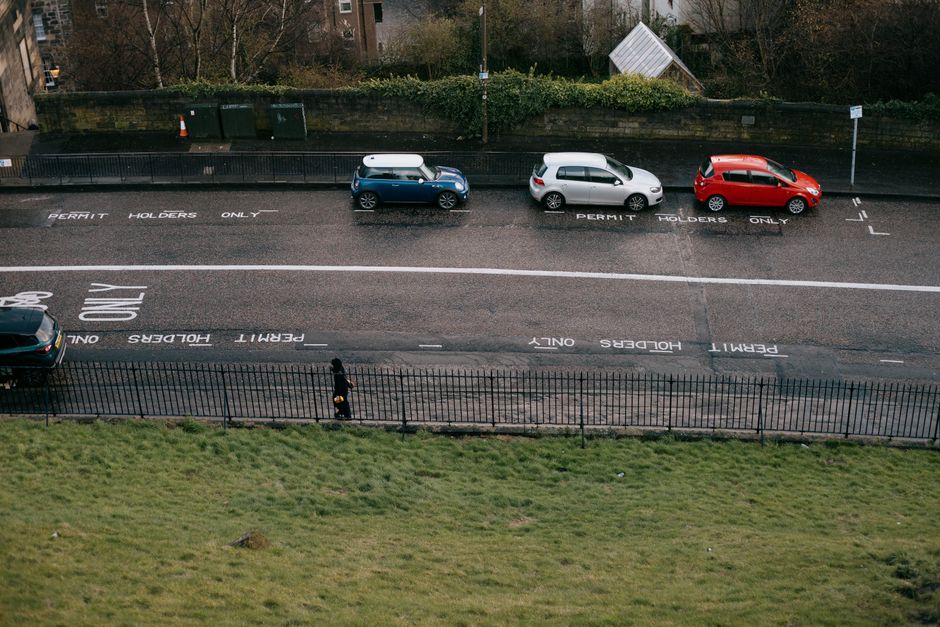
For some streets, especially in London and other dense urban areas, parking restrictions are part of everyday life. Red routes, permit bays, shared-use bays, residents' bays, loading restrictions, narrow terraces, cul-de-sacs with no turning room - all of these can affect your move. A parking suspension is often used to temporarily reserve a bay or suspend normal parking rules so a removal van can work legally and with less disruption.
Why does that matter so much? Because moving furniture across a long distance from a distant parking spot can add time, risk and fatigue. A fridge wheeled down a slope at 7:30 in the morning is one thing; carrying it from the next street over while pedestrians, bins and parked cars get in the way is another.
It also matters for neighbours and road users. A well-planned suspension can reduce double parking, blockages and awkward manoeuvring. In practical terms, it can make the move calmer for everyone involved. That is often the real win.
If you are arranging a full domestic move, services such as home moves or house removalists are usually easier to coordinate when access is sorted in advance. For office relocations, the same principle applies, just with more desks and more moving parts. A removal team can do excellent work, but they cannot magic a parking space into existence. Not yet, anyway.
How Do you need a permit? UK parking suspensions for removals Works
In plain terms, a parking suspension is a temporary change to normal parking rules on a specific stretch of road or in a marked bay. Councils use them for different reasons, including road works, deliveries, filming, events, and removals. The exact name and process can vary, but the goal is the same: reserve space for a short period.
For removals, the council may allow you to suspend a bay near the property so the removal van can load or unload. In some places, the request is made by the resident, the landlord, or the moving company. In others, only the account holder or permit holder can apply. This is where the details really matter, because one borough may allow one process and the next borough may not.
A permit is not always the same thing as a suspension. That distinction trips people up all the time. A resident parking permit normally lets a vehicle park in a controlled bay for longer periods or within a permit zone. A suspension temporarily removes that right from the bay so someone else can use it for a set time. Sometimes removals need both planning and paperwork; sometimes neither is needed. It depends on the street, the council and the vehicle.
Typical factors councils look at include:
- the road type and parking controls in place
- whether the space is a marked bay or unrestricted kerbside
- the size and number of vehicles involved
- the duration of the move
- the impact on traffic, pedestrians and residents
- notice periods and administrative lead time
If you are using a smaller vehicle, a man and van or man with van service may need less road space than a larger lorry, but that does not automatically remove the need for a suspension. A small vehicle still has to stop somewhere sensible. The street does not care how charming the mover is.
Where a larger vehicle is involved, the case for planning is stronger. If you are hiring a bigger moving truck or arranging removal truck hire, access and legal stopping space become even more important.
Key Benefits and Practical Advantages
There is a reason experienced movers take parking permissions seriously. The benefits are not glamorous, but they are real.
- Shorter carry distances: Less time and less physical strain moving items between the property and the vehicle.
- Faster loading and unloading: A van parked close to the entrance can make a noticeable difference to the pace of the move.
- Reduced risk of damage: Fewer long carries means fewer chances to knock walls, doors, bannisters or furniture.
- Lower stress: You are less likely to have to improvise on the day.
- Better compliance: You reduce the chance of parking penalties or awkward enforcement issues.
- Smoother teamwork: The crew can work in a more organised way rather than juggling space constraints.
There is also a wider practical benefit: parking planning can help the whole move feel controlled. That sounds small, but on moving day, small things stack up. A clear parking plan makes the entire operation feel steadier.
For business moves, parking access can be even more valuable. A tight loading window, reception access, or a shared city-centre street can create bottlenecks very quickly. If your relocation involves desks, archive boxes or IT equipment, services like commercial moves or office relocation services benefit from a parking setup that supports a clean, fast handover.
Practical summary: if the vehicle can stop close enough to the door without causing a parking breach, your move is usually easier. If it cannot, a suspension or permit arrangement can save time, money and a fair bit of frustration.
Who This Is For and When It Makes Sense
Parking suspensions are not only for huge household moves. They can make sense in all sorts of everyday situations:
- flat moves in terraced streets
- houses on narrow roads with limited kerb space
- city-centre apartment blocks with controlled bays
- office relocations with limited loading access
- moves involving larger furniture, appliances or heavy boxes
- properties where lift access is poor or stair carries are long
They also make sense when the removal vehicle is likely to arrive at a busy time of day. Early morning can be quieter, but not always. A Monday in a central area may be a very different story from a Wednesday in a suburban cul-de-sac. You will notice the difference the minute the van turns the corner.
If you are moving a single item or a small load, a dedicated collection service may be enough, especially where a quick stop is possible. In those cases, furniture pick up may be the more practical choice. If you are moving a full home, the question becomes less about whether parking matters and more about how much it will matter.
To be fair, some people only realise this once they are already packing the kettle. But the ideal time to think about suspension is before anything is wrapped in tape. If your move includes packing support, packing and unpacking services can help keep the day organised while you deal with the street-side logistics.
Step-by-Step Guidance
Here is a sensible way to handle parking permissions for removals in the UK without overcomplicating it.
- Check the street first. Look at the signs, bay markings and any time restrictions outside the property. Are there permit bays, loading-only bays or double yellow lines?
- Measure the access space. A removal truck may need more room than a car or small van. Think about the length of the vehicle, the turning space, and whether the van can stand safely without blocking a junction.
- Ask the council what applies. Some areas require a suspension request, some require a parking dispensation, and some simply do not allow long stays in certain spots. Keep it specific to the street, not just the postcode.
- Build in lead time. Councils often need notice. Leave room for admin, weekends, and any back-and-forth if they ask for more details.
- Confirm the vehicle size. The council may need the registration, dimensions or the type of vehicle. If you are using a larger truck, this becomes more important.
- Share the plan with your mover. Tell the removal team exactly where the vehicle can stop, whether the bay is suspended, and what time access begins.
- Prepare the property. Clear the hallway, unlock shared gates if relevant, and make sure someone knows how the loading will work.
- Keep proof handy. If a suspension confirmation or permit reference is issued, have it to hand on moving day. Screenshots can help, though a paper copy is not a bad shout either.
If you are planning a move with a broader vehicle requirement, moving truck options should be matched carefully with the road layout. A vehicle that is perfect for your volume of furniture might still be awkward on a narrow street. That mismatch is where delays tend to start.
And if you are comparing service levels, it can help to look at the wider move package too. For example, a provider offering man and van support may suit smaller jobs, while a larger team and vehicle set-up may suit bigger moves or multi-room properties.
Expert Tips for Better Results
These are the little things that tend to make the biggest difference.
1. Treat parking as part of the move, not an extra.
People often leave it until the last minute because it feels administrative and boring. Then they spend twice as long sorting it under pressure. Much better to fold it into the moving timeline from the start.
2. Check for real-world obstacles, not just parking signs.
Bins, scaffolding, low branches, school run traffic, delivery vans and narrow corners can all create problems even where parking rules look manageable. A street can look calm at 2 p.m. and turn chaotic at 8 a.m. Very different mood.
3. Match the vehicle to the property.
A larger truck is not automatically the best choice. If the road is awkward, a slightly smaller vehicle with a more flexible stopping position may be more efficient overall.
4. Keep neighbours in mind.
A polite heads-up can help avoid complaints, especially if a suspension will affect a row of bays or block part of the street. Sometimes this one conversation saves a lot of grumbling later.
5. Use services that understand access constraints.
Experienced movers do not just carry boxes; they think about approach, loading order and vehicle positioning. If you want a more structured move, a provider with local removal know-how is often worth it. For example, a full-service home move or tailored house removalists team can help reduce the number of surprises on the day.
6. Ask about sustainability where relevant.
If your move involves clear-outs or unwanted items, it can be useful to think ahead about reuse and recycling. A plan for responsible disposal can sit neatly alongside the parking plan, especially if you are already trying to keep the day efficient. The team behind recycling and sustainability policies are often the ones thinking in terms of practical waste reduction too.
Expert takeaway: the best parking setup is not the one with the most paperwork; it is the one that lets the vehicle stop legally, load safely and leave without drama.
Common Mistakes to Avoid
Most parking problems on removal day are avoidable. The main thing is not to assume.
- Assuming a van can just stop anywhere. Even a short stop can be a problem in a controlled bay or restricted street.
- Confusing a permit with a suspension. They are related, but not the same. Ask which one your street actually needs.
- Leaving the request too late. Councils may need notice, and weekends or bank holidays can slow things down.
- Not checking vehicle dimensions. A bay might be fine for a small van but awkward for a larger removal truck.
- Forgetting about height and width restrictions. Bridges, trees, gates and tight corners all matter.
- Ignoring the unloading side. You need a plan for where items come out, not just where the vehicle parks.
- Not telling building management. Apartments and estates may have extra rules or loading instructions.
- Failing to confirm the final arrangement. If the council or property manager says yes, make sure you understand exactly what has been approved.
A small but common slip: people organise the suspension and then forget to tell the removal crew. That sounds obvious, but on a busy week it happens. The van arrives, everyone stares at the same sign, and suddenly nobody is entirely sure what was agreed. Not ideal.
Tools, Resources and Recommendations
You do not need fancy software to manage parking suspensions, but a bit of organisation helps a lot. The best tools here are mostly practical ones:
- A street photo: take pictures of the parking area, bay markings and entrance so everyone has the same visual reference.
- A move-day timeline: note arrival time, key handover time, access windows and lifting help.
- A vehicle brief: write down the vehicle type, approximate dimensions and loading needs.
- A contact list: include the council office, property manager, mover and anyone who can open doors or gates.
- A box for documents: keep confirmations, references and moving paperwork together.
Where you need a provider with more than a vehicle, it is worth looking at the service mix carefully. Some moves are better supported by a dedicated truck and crew; others are fine with a more flexible setup. If you need a larger vehicle solution, removal truck hire is often the right conversation to have early. If the move is more compact, the lighter touch of man with van support may be enough.
For businesses, a parking plan often sits alongside access planning for desks, files and equipment. In those cases, the operational side of commercial moves and office relocation services matters almost as much as the transport itself.
Law, Compliance, Standards, or Best Practice
This is where careful wording matters. Parking suspensions and permit rules in the UK are not one single national system. They are generally managed by local councils or highway authorities, and the details can differ from one area to another. So there is no safe one-size-fits-all answer to the question of whether a permit is needed. You have to check the exact street and the exact authority.
Good practice usually means:
- checking local restrictions before booking the move
- allowing enough lead time for approvals
- matching the vehicle to the approved space
- displaying any required confirmation clearly
- keeping to loading and unloading times agreed in advance
- making sure the arrangement does not create unnecessary danger for pedestrians or traffic
If you are moving in a managed building, there may also be estate rules, landlord conditions or block policies layered on top of local parking controls. Those are not the same as council rules, and they should not be treated as interchangeable. A quick email to building management can save a long, awkward morning.
From a best-practice point of view, the goal is not simply to avoid a ticket. It is to set up a move that is lawful, safe and efficient. That matters for the crew, for the property, and for anyone trying to drive down the street at the same time.
Options, Methods, or Comparison Table
There are a few different ways to handle access for a removal. The best choice depends on your street, vehicle size and how much time you have.
| Option | Best for | Pros | Watch-outs |
|---|---|---|---|
| Parking suspension | Controlled bays, busy streets, removal vehicles needing guaranteed space | Creates a legal loading area, reduces carry distance | Needs notice and approval; rules vary by council |
| Parking permit or dispensation | Short-term stopping where a council allows controlled access | Can be simpler in some areas | Not the same as a suspension; conditions may be strict |
| No special permission | Unrestricted roads or easy access streets | Fastest and simplest if it genuinely works | Can be risky to assume without checking signs |
| Smaller vehicle or split load | Tight roads, limited parking, complex access | More flexible, sometimes easier to position | May take more trips or more labour |
If you are weighing up what type of move setup to book, this table is usually where the decision becomes clearer. For a spacious road and a modest load, a smaller vehicle can be more efficient. For a large flat move or a full office relocation, the certainty of a reserved space is often worth the effort.
Case Study or Real-World Example
A typical London example goes like this. A family is moving out of a two-bedroom flat on a terrace street. Parking is restricted on both sides, the pavement is narrow, and there is no obvious place to leave a van without blocking access. The parents first think, "We'll manage on the day." By the Thursday before the move, that starts to feel less convincing.
They check the street signs and realise the nearest bay is controlled. A parking suspension is arranged for the moving window, and the removal team is told exactly where the vehicle can stop. On the day, the van parks close to the entrance, the loading run is short, and the move finishes more calmly than expected. There is still the usual flurry of boxes, one missing toy, and someone muttering about the cutlery drawer, but the parking side at least behaves itself.
Now compare that with a similar move where no suspension is arranged. The van has to park farther away, the crew spends extra time carrying items, and a neighbour complains because a second vehicle briefly stops in a tight space. Nothing catastrophic, but the day feels more strained. That is usually how these issues show up: not as disasters, but as a series of small frictions.
For office moves, the pattern is the same, only with more pressure around timing. If a building has a narrow loading window, parking certainty can make a big difference to whether the relocation feels controlled or chaotic. That is why many businesses prefer a more structured approach to commercial moves rather than leaving access to chance.
Practical Checklist
Use this before moving day. It keeps things grounded.
- Have you checked the street signs and bay markings?
- Do you know whether your area needs a suspension, permit or dispensation?
- Have you allowed enough notice time?
- Do you know the exact vehicle type coming?
- Have you confirmed where the vehicle can stop?
- Has the removal team been told about any restrictions?
- Have you informed building management or the landlord if needed?
- Do you have confirmation details saved somewhere easy to access?
- Are hallways, entrances and lift access clear?
- Do you have a plan for bulky items, parking fines or unexpected delays?
If you can tick most of those off, you are in good shape. If a few are still unclear, sort them now rather than hoping the day sorts itself. It usually doesn't.
Conclusion
So, do you need a permit? For UK parking suspensions for removals, the honest answer is: sometimes yes, sometimes no, but you should never assume. The right permission depends on your street, the local authority, the vehicle size and the type of move you are doing. If access is tight or parking is controlled, getting the arrangement in place early can save time, money and a lot of unnecessary stress.
The best moves are rarely the most dramatic ones. They are the well-planned ones, where the van can park legally, the team knows the route, and nobody has to improvise under pressure. That kind of calm does matter. Quite a lot, actually.
Get a free quote today and see how much you can save.
If you are preparing a house move, office relocation or furniture collection, it is worth choosing a team that understands access, timing and the practical side of street parking. A little planning now can make the whole day feel lighter, and that is a very good feeling when the boxes start moving.
Frequently Asked Questions
Do I always need a parking permit for removals in the UK?
No, not always. If the road is unrestricted or there is enough legal space for the vehicle to stop, a permit or suspension may not be needed. But in controlled parking areas, you should check first rather than assume.
What is the difference between a parking permit and a parking suspension?
A parking permit usually allows a vehicle to park under certain controlled conditions. A suspension temporarily removes normal parking rights from a space or bay so it can be used for a specific purpose, such as a removal.
How far in advance should I arrange a parking suspension?
As early as you can. Councils often need notice, and the exact timeframe varies. If your move is coming up soon, sort the request immediately so you are not squeezed by admin delays.
Who applies for the suspension, me or the removal company?
It depends on the council and the local process. In some places the resident applies, in others the mover can help, and sometimes the property manager or business does it. Always check the local rules for the street in question.
Can a removal van park on double yellow lines while loading?
Sometimes short loading may be tolerated in some circumstances, but that is not something to rely on. Restrictions vary, and loading is not automatically allowed everywhere. A proper parking plan is safer than hoping the rules bend in your favour.
Is a parking suspension needed for a small man and van move?
Not always. Smaller moves may fit into easier stopping arrangements, especially if access is straightforward. But if the street is tight or the bay is controlled, even a small vehicle may need some form of permission.
Do office moves need parking permission too?
Very often, yes. Office relocation work can involve larger vehicles, more loading time and busy commercial streets. In that setting, access planning is just as important as it is for home moves.
What happens if I do not arrange parking properly?
You could face delays, extra carrying, a parking penalty or a missed moving window. It may not sound dramatic, but on move day those issues can snowball quickly.
Can I use a smaller van to avoid needing a suspension?
Sometimes a smaller van helps, especially on narrow streets. But it does not automatically remove parking restrictions. The location matters just as much as the vehicle.
Will a parking suspension guarantee a space right outside my door?
Usually it reserves a specific space or bay, but the exact outcome depends on what the council approves. Read the confirmation carefully so you know precisely what has been granted.
What should I tell my removal company about parking?
Tell them the street layout, any restrictions, the approved space, the access window and any building rules. The more specific you are, the smoother the day tends to go.
Can parking arrangements help reduce the overall cost of a move?
They can help avoid delays and extra labour time, which may reduce knock-on costs. It is not about cutting corners; it is about removing friction before the lorry even arrives.